|
STRATO BRIEF
SPACE · POLICY · DEFENSE
2026-05-30
10 stories · ~15 min read
|

|
|
Aerospace Industry
The U.S. Space Force awarded SpaceX a $4.16 billion Other Transaction Authority contract to develop a Space-Based Air Moving Target Indicator (SB-AMTI) constellation, using the company's government-focused Starshield platform to detect and track aircraft, cruise missiles, and hypersonic weapons from low orbit. SpaceX was selected from nine competing firms, with operational capability targeted for 2028 to replace aging platforms like the E-3 Sentry that are increasingly vulnerable to adversary air-defense systems. The contract comes alongside a separate $2.29 billion SpaceX award for military comms infrastructure, further cementing the company's central role in Pentagon space architecture. The Space Force plans additional vendor awards in coming years to avoid single-supplier dependency.
|
|
|
Space Operations & Technology
|

LAUNCH
SpaceX completed its 50th dedicated Starlink deployment of the year on May 30, lifting off from Vandenberg Space Force Base at 8:25 a.m. PDT with 24 broadband satellites aboard a Falcon 9. The Falcon 9 booster landed successfully on the drone ship 'Of Course I Still Love You,' logging the company's 617th successful booster recovery. The constellation now exceeds 10,000 spacecraft in low Earth orbit.
|
|
LAUNCH
United Launch Alliance successfully launched 29 Amazon Project Leo broadband satellites aboard an Atlas 5 551 from Cape Canaveral on May 29, clearing a 30% weather risk to deliver the seventh production batch of Amazon's constellation. The mission is Amazon's penultimate Atlas 5 flight before transitioning to Vulcan rockets, and it came hours after Blue Origin's New Glenn — which was also booked to carry Amazon Leo satellites — was destroyed in a static fire explosion. Amazon faces an FCC deadline to deploy half its 3,200-satellite constellation by July 2026, currently operating roughly 300 spacecraft.
|
|

TECH
Several Chinese state and commercial launch vehicles are preparing for inaugural flights or first-stage recovery demonstrations in the coming weeks, representing a major push by both CASC and private firms to match international reusability benchmarks. The cluster of imminent launches spans multiple vehicle classes and suggests China is accelerating its cadence following years of development work on reusable booster technology.
|
|
|
|
|
|
Policy & Politics
|
|
DIPLOMACY
President Trump said a deal with Iran that would reopen the Strait of Hormuz is 'largely negotiated' and will be announced imminently, with the proposed 60-day agreement allowing Iran to sell oil freely in exchange for clearing mines and ending the maritime blockade. White House Deputy Chief of Staff Stephen Miller said Iran has made 'significant concessions,' but negotiations remain fragile after IRGC General Rezaei warned of military action if Trump 'betrays' the talks. The deal's terms reportedly include a ceasefire extension, sanctions waivers for Iranian oil exports, and negotiations on Iran's nuclear program.
|
|
POLICY
Defense Secretary Pete Hegseth told reporters the U.S. naval blockade of the Strait of Hormuz remains fully active while final terms of a ceasefire extension are deliberated in the White House Situation Room. Hegseth's statement underscores the administration's intention to maintain maximum pressure leverage during negotiations even as global energy markets watch for any deal signal.
|
|
|
Aerospace Industry
|
|
TECH
Satellite-derived geospatial intelligence has emerged as a critical operational advantage in the U.S.-Iran conflict, with real-time orbital imagery and signals data shaping targeting decisions, mine-field mapping, and fleet positioning in the Strait of Hormuz. The analysis argues that space-based information has become as strategically significant as any kinetic capability, accelerating Pentagon investment in low-latency commercial satellite tasking and classified ground-processing infrastructure.
|
TECH
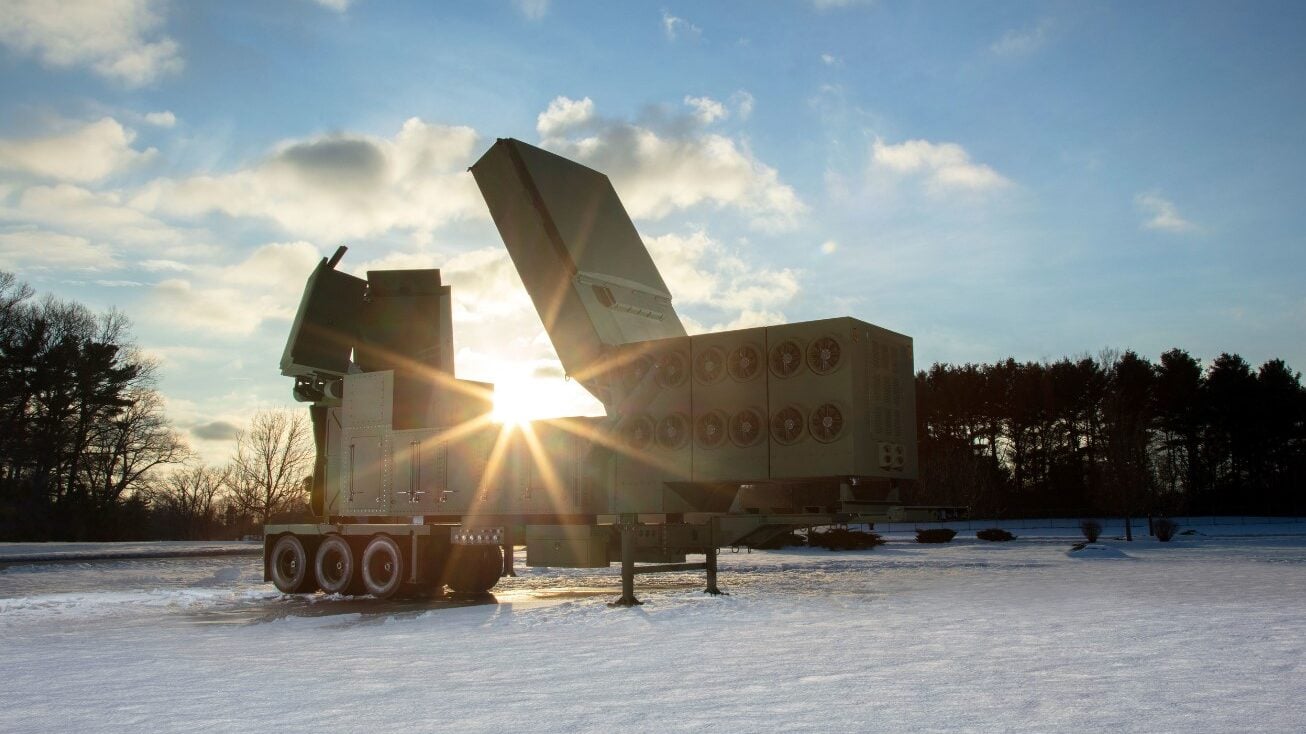
The U.S. Army sent modified sensor systems to the Middle East as part of an active combat-integration hackathon, allowing command nodes to fuse data from radar and surveillance platforms that had previously never communicated with each other. The initiative reflects a broader push to bridge sensor networks across services without waiting for formal acquisition cycles, delivering battlefield connectivity upgrades in weeks rather than years.
|
|
|
Geopolitics & Defense
|
DEFENSE
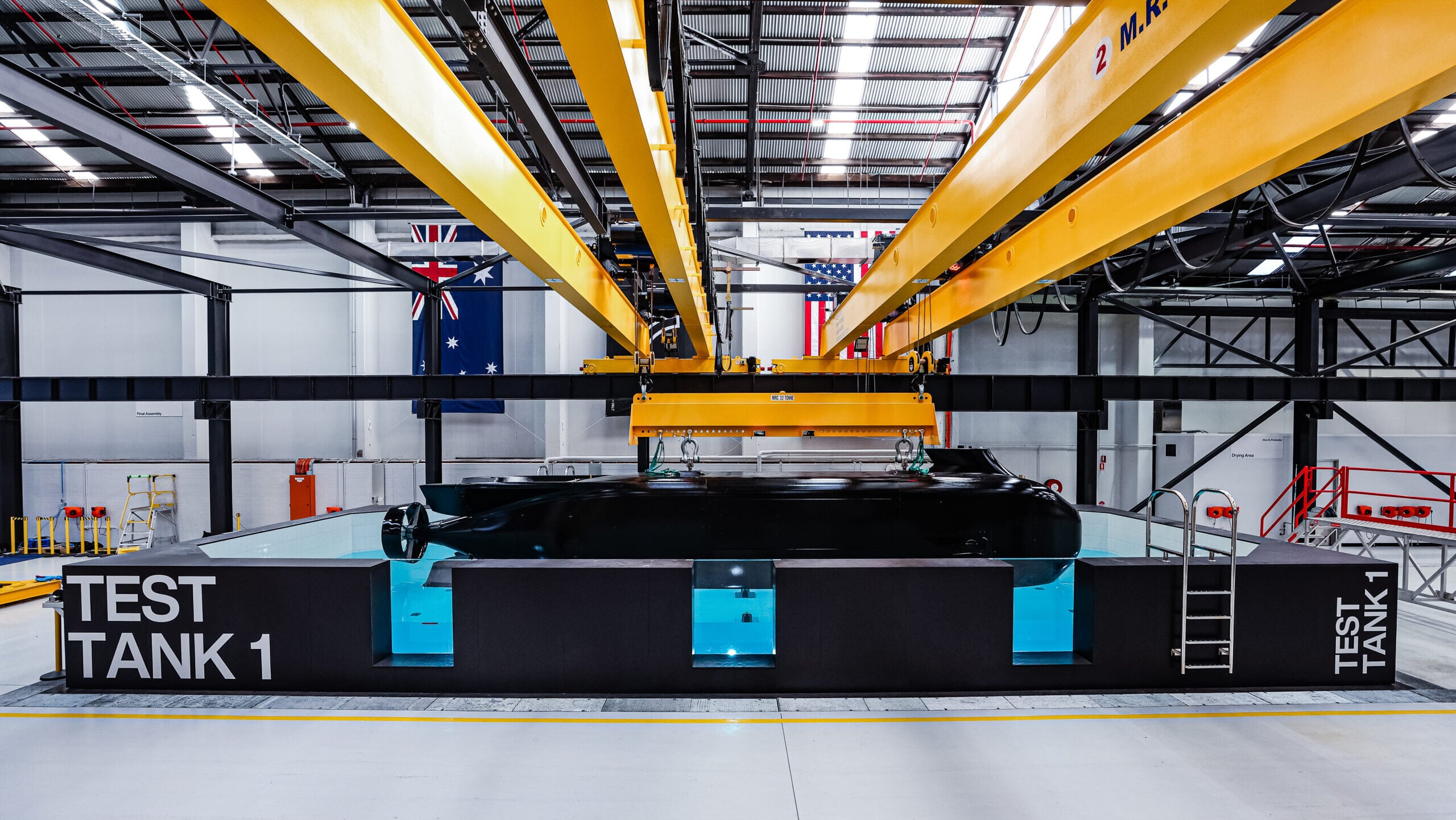
The United States, United Kingdom, and Australia signed the first formal AUKUS Pillar 2 cooperative agreement, committing to jointly develop payloads for unmanned underwater vehicles designed to protect critical seabed infrastructure, with initial deliveries planned for 2027. In a parallel update, Australia revised its submarine acquisition plan to purchase three in-service Virginia-class boats rather than a mix of new and used hulls, accelerating its path to a nuclear-powered submarine force.
|

DEFENSE
Defense Secretary Hegseth commended Indo-Pacific partner nations — including Japan, South Korea, and Australia — for sustained increases in defense investment, calling their approach a model for how burden-sharing 'works' within U.S. alliance structures. The remarks come amid ongoing U.S. military operations in the Middle East and reflect the Pentagon's desire to maintain Pacific readiness while managing simultaneous theater commitments.
|
|
|
Sources
Breaking Defense · CNBC · SpaceFlightNow · SpaceNews · The Hill
|
|
STRATO BRIEF
|