|
STRATO BRIEF
SPACE · POLICY · DEFENSE
June 30, 2026
8 stories · ~5 min read
|

|
|
Space Operations
A new Aerospace Corp. report says the biggest rockets do not automatically deliver the lowest cost to orbit. The study argues super-heavy vehicles can hit diminishing returns when added size drives up preparation, operations and complexity faster than payload economics improve. It stops short of naming an optimal size, but it raises fresh questions for developers pursuing ever-larger launch systems.
|
|
|
Space Operations & Technology
|

LAUNCH
SSC Space and Firefly said they are aiming for the first orbital launch from Sweden’s Esrange spaceport in 2028. The timeline follows progress on launch-site infrastructure, a new U.S.-Sweden licensing arrangement and a Swedish defense procurement contract tied to the program. If the schedule holds, Esrange would add a mainland European orbital launch option for commercial and defense customers.
|
|

LUNAR
The European Space Agency said it will rely on outside lunar topographic data while it designs the Argonaut cargo lander and possibly for the first mission as well. ESA ultimately wants an in-house lunar mapping capability, but for now Europe lacks sovereign data sets detailed enough to support landing-site selection. The issue underscores how lunar infrastructure programs are still dependent on shared or purchased data.
|
|
|
|
Policy & Politics
|

POLICY
Speaker Mike Johnson formally sent a bipartisan housing package to the White House after President Trump previously refused to sign it. The move starts the constitutional clock that would let the bill become law by July 10 without a signature if Trump neither signs nor vetoes it. The standoff is also spilling into broader Capitol tactics, with GOP leaders weighing ways to attach election-security priorities to must-pass legislation.
|

CONGRESS
The House passed the bipartisan KIDS Act, which would require online platforms to adopt policies aimed at reducing threats such as sexual exploitation, drug sales and other harms to minors. Even with House approval, the bill faces a more uncertain path in the Senate as lawmakers continue to debate free-speech and implementation concerns. The measure sets up another cross-chamber negotiation over technology regulation before the midterms.
|
|
|
Aerospace Industry
|

M&A
Rocket Lab chief executive Peter Beck said the company’s planned $8 billion purchase of Iridium is meant to push Rocket Lab beyond launch and manufacturing into recurring satellite services revenue. The deal would give Rocket Lab direct access to Iridium’s global L-band network, communications business and positioning, navigation and timing ambitions. Beck framed the acquisition as a faster and less risky way to enter applications markets than building a new spectrum-based business from scratch.
|

STARTUP
Startup Orbital has asked the FCC for permission to deploy up to 100,000 low Earth orbit satellites designed to function as space-based data centers. The company says the network could eventually provide 10 gigawatts of computing power to serve AI demand, with an initial demonstration mission targeted for next year. The filing highlights how quickly the orbital-computing concept is moving from pitch decks to spectrum and regulatory requests.
|
|
|
Geopolitics & Defense
|
DEFENSE
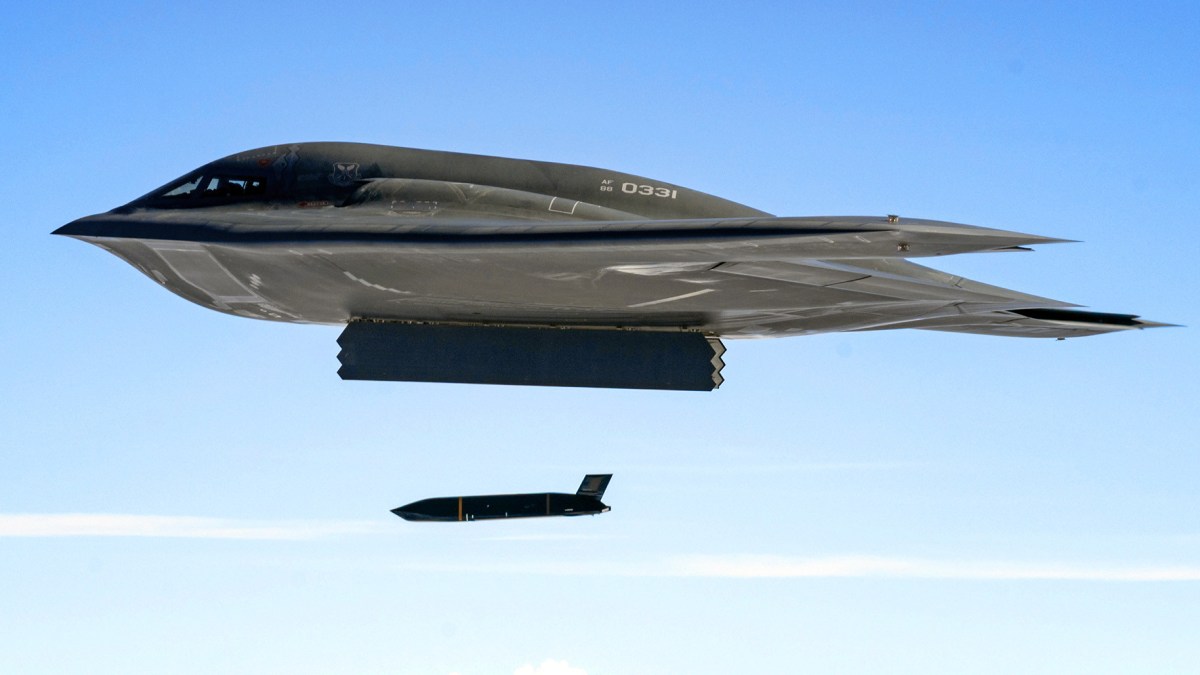
The Air Force said a B-2 bomber launched an AGM-158C Long Range Anti-Ship Missile during a recent sinking exercise in the Western Pacific, revealing a capability that had not previously been public. Pairing LRASM with the stealth bomber strengthens U.S. options for penetrating maritime strike missions in a potential Pacific conflict. The disclosure also signals continued emphasis on long-range anti-ship firepower as the Pentagon sharpens planning for China contingencies.
|
|
|
|
|
STRATO BRIEF
|