|
STRATO BRIEF
SPACE · POLICY · DEFENSE
July 25, 2026
7 stories · ~4 min read
|

|
|
Space Operations
SpaceX launched Starship on its 13th suborbital test flight from Starbase, Texas, on July 24 after a one-day weather delay. The flight was the second for the upgraded Starship V3 vehicle and addressed issues encountered on the prior mission. SpaceX also deployed functioning satellites from Starship for the first time, marking a new test objective beyond vehicle flight performance.
Why it matters: The flight advances evidence that Starship can support payload deployment as SpaceX works toward a fully reusable heavy-lift system.
|
|
|
Space Operations & Technology
|

GROUND
Wildfires prompted an evacuation at NASA's Madrid Deep Space Communications Complex in Spain, one of the agency's three critical sites for communicating with spacecraft beyond near-Earth range. The disruption puts attention on the geographic concentration and continuity requirements of the Deep Space Network's ground infrastructure.
Why it matters: A prolonged outage at a Deep Space Network complex could constrain communications scheduling for missions operating beyond Earth orbit.
|
|
TECH
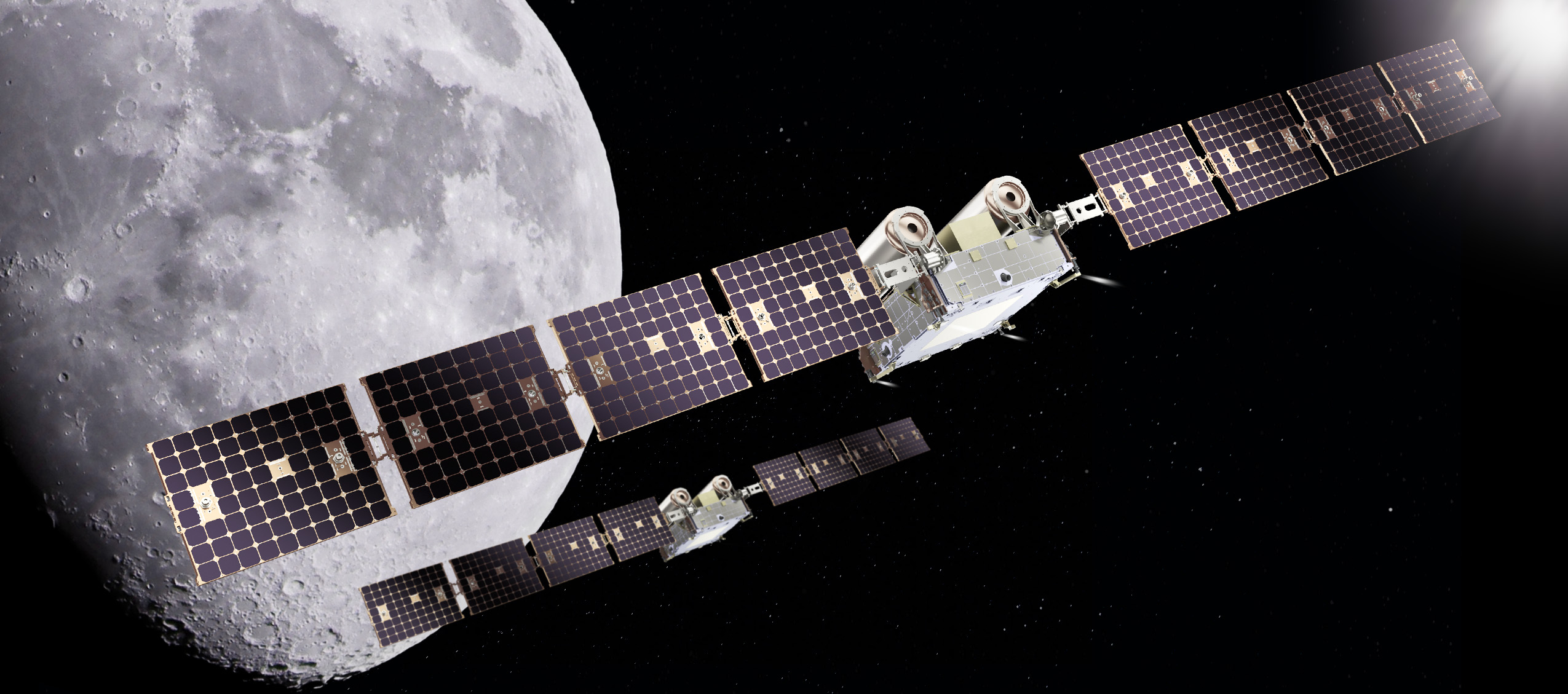
NASA selected Advanced Space for the CAPSTONE 02 mission, a lunar technology demonstration intended to support Artemis-era cislunar infrastructure. The mission will demonstrate rendezvous and proximity operations, autonomous navigation, and cislunar communications capabilities.
Why it matters: Demonstrating these functions at the Moon can reduce operational risk for future commercial and government cislunar missions.
|
|
|
|
Policy & Politics
|

CONGRESS
The Hill reported that U.S. and Iranian forces did not exchange fire overnight Saturday, ending a run of 13 consecutive days of reciprocal strikes tied to alleged ceasefire violations. The pause came as tensions remained high and U.S. officials continued to warn of possible escalation.
Why it matters: A temporary lull does not resolve the regional security risk that is affecting U.S. force posture, allies, and commercial transit routes.
|
|
|
Aerospace Industry
|

FINANCE
United Launch Alliance’s owners, Boeing and Lockheed Martin, guaranteed a bank loan as the company manages financial pressure associated with the grounding of its Vulcan Centaur rocket. Lockheed disclosed the guarantee in a July 23 filing covering its second-quarter results.
Why it matters: Vulcan’s availability is central to U.S. national-security launch capacity, making the company’s financial position a consequential industrial-base issue.
|
TESTING
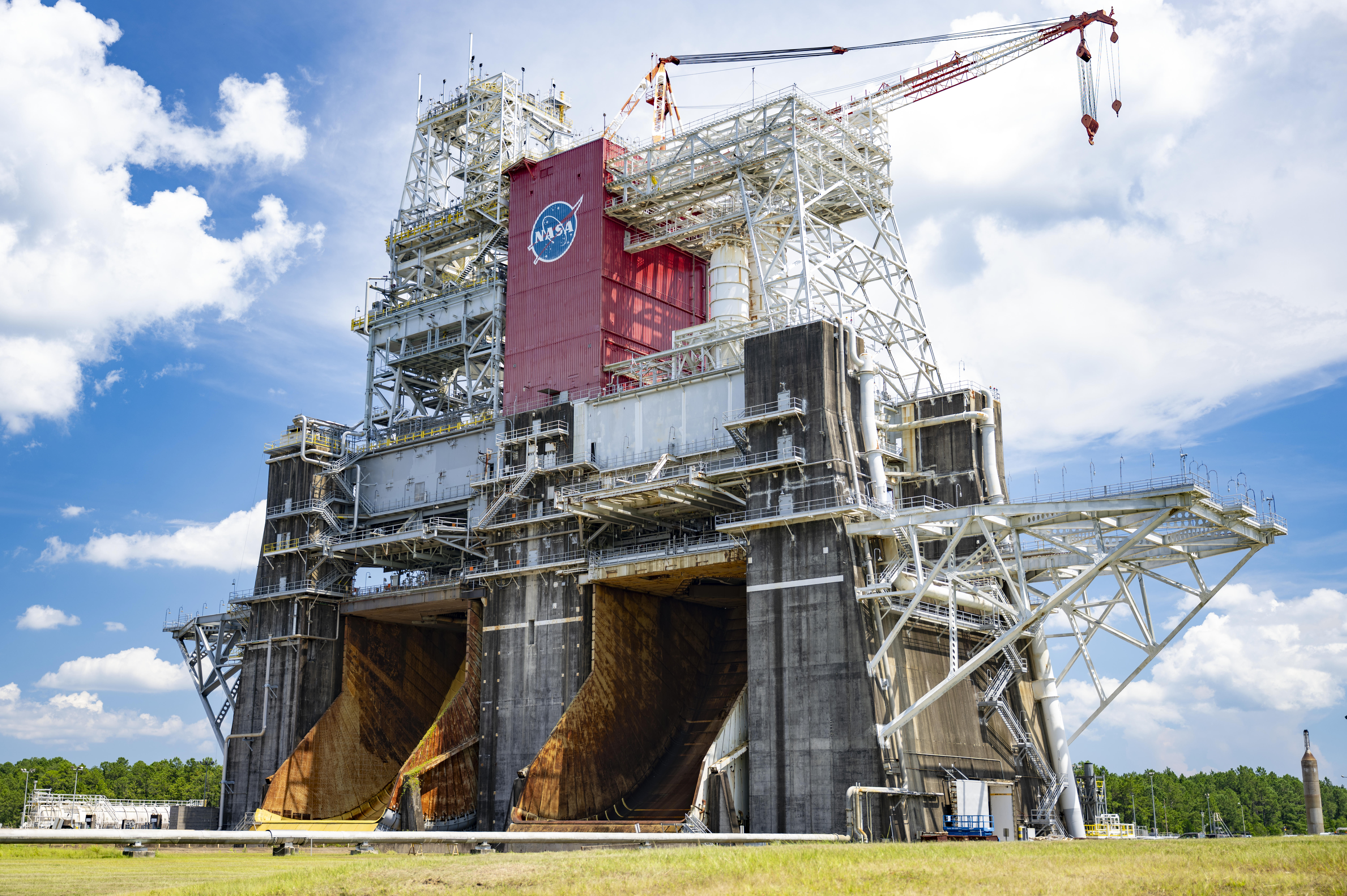
NASA and Blue Origin agreed to conduct New Glenn second-stage hot-fire testing at the B-2 test stand at Stennis Space Center under a reimbursable Space Act Agreement. The testing arrangement is intended to support the rocket’s development while advancing infrastructure relevant to Artemis.
Why it matters: Access to NASA test infrastructure can help mature a major U.S. launch competitor and broaden the industrial capacity available for lunar missions.
|
|
|
Geopolitics & Defense
|
|
DEFENSE
USNI News reported that Strait of Hormuz traffic remained below the previous week’s level as U.S. strikes on Iran continued, while Houthi forces resumed attacks and announced a maritime blockade targeting Saudi-linked shipping and ports. Lloyd’s List Intelligence counted 78 transits between July 13 and Sunday, compared with 174 during July 6–12.
Why it matters: Disruption across Hormuz and the Red Sea compounds regional operational risk and puts further pressure on allied maritime security resources.
|
|
|
|
|
STRATO BRIEF
|