|
STRATO BRIEF
SPACE · POLICY · DEFENSE
July 31, 2026
11 stories · ~7 min read
|

|
|
Space Operations
NASA continues to evaluate potential Starliner-1 flight opportunities after the capsule completed its final operational test flight. The agency is considering additional mission profiles, including logistics support and commercial crew services, as it weighs how to extend the vehicle’s use.
Why it matters: A decision on Starliner-1 affects NASA commercial-crew planning and Boeing’s role in crew transportation.
|
|
|
Space Operations & Technology
|

POLICY
SpaceNews reports that recent conflicts are exposing the operational importance of satellite communications, Earth observation and space-domain awareness. The article examines how those lessons are shaping military space planning.
Why it matters: Conflict-driven demand for resilient space capabilities is influencing defense architecture and procurement.
|
|

DEBRIS
SpaceNews reports that proposed orbital data-center constellations raise regulatory questions around debris mitigation, collision avoidance and long-term sustainability. The article calls for rules to guide the emerging architecture.
Why it matters: Orbital computing will need traffic-management and debris rules before large constellations can scale.
|
|

CONTRACT
The Space Force selected 15 companies for a contract vehicle worth up to $981 million to support a training range. The vehicle broadens the supplier pool for space-force training and test activities.
Why it matters: A multi-company vehicle can widen competition for the Space Force’s training and range requirements.
|
|
|
Policy & Politics
|

WHITE HOUSE
The Hill reports that President Trump planned a Cabinet meeting at Camp David amid several foreign-policy issues, including the Iran conflict. The live report tracks the administration’s response and related developments.
Why it matters: Cabinet-level coordination during an active conflict can signal near-term policy priorities and decision-making tempo.
|

DEFENSE
Former Defense Secretary Leon Panetta warned that the United States is locked into an “unwinnable war” with Iran, according to The Hill. He cited the risk of another prolonged military engagement without a clear endpoint.
Why it matters: The warning highlights strategic and escalation risks surrounding the conflict and its military objectives.
|

ENERGY
A Hill opinion article argues that nominal energy abundance does not automatically mean energy is available where and when it is needed. The piece frames efficiency and infrastructure as constraints on energy policy.
Why it matters: Energy availability and grid capacity are policy constraints for data centers and defense-industrial growth.
|
|
|
Aerospace Industry
|
CONTRACT
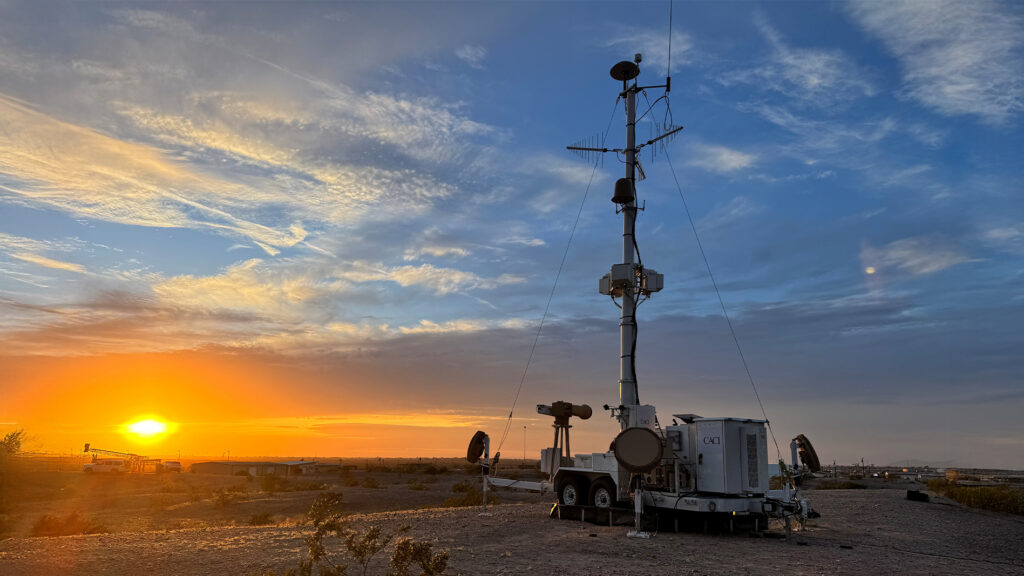
Breaking Defense reports that JIATF-401 awarded CACI a $500 million contract for non-kinetic counter-drone capabilities. The award reflects demand for systems that detect and defeat unmanned aircraft without kinetic interceptors.
Why it matters: A large cUAS award signals continued investment in electronic and networked counter-drone systems.
|
PNT
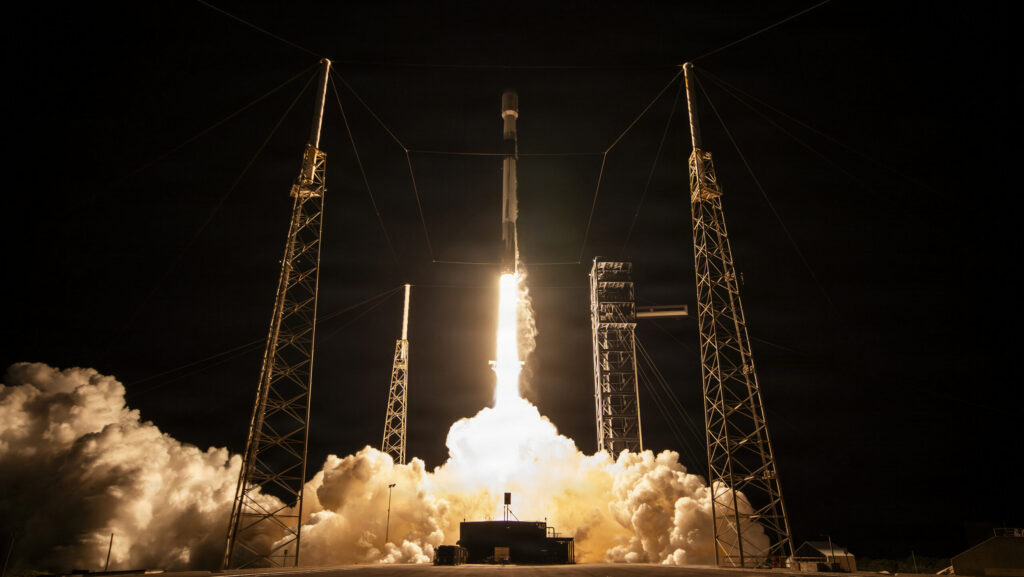
Breaking Defense reports that receivers for the military’s M-code GPS signal on ships and aircraft are expected to complete testing by 2027. The program is intended to improve assured positioning, navigation and timing.
Why it matters: Modernized GPS receivers support resilient positioning for military platforms in contested environments.
|
|
|
Geopolitics & Defense
|
LEADERSHIP
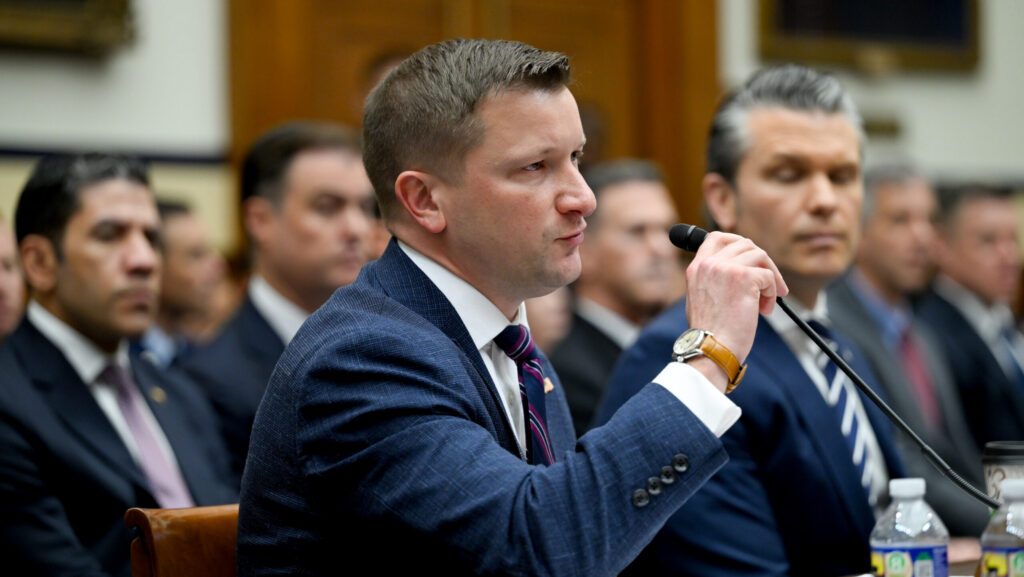
Breaking Defense reports that the Senate confirmed Jules Hurst as Pentagon comptroller after the position had remained vacant for roughly a year and a half. The comptroller oversees Defense Department financial management.
Why it matters: Filling a senior financial-management post improves continuity for Pentagon budget execution and oversight.
|

SUPPLY CHAIN
Breaking Defense reports on Pentagon plans to address industry concerns about a critical-minerals executive order. The discussion centers on how implementation could affect defense supply chains and industrial capacity.
Why it matters: Critical-mineral policy affects the resilience and cost of defense manufacturing supply chains.
|
|
|
|
|
STRATO BRIEF
|