|
STRATO BRIEF
SPACE · POLICY · DEFENSE
August 7, 2026
9 stories · ~5 min read
|

|
|
Space Operations
The U.S. Senate confirmed Gen. Bradley Schiess to serve as the next chief of the U.S. Space Force. The confirmation gives the service a permanent leader as it continues building operational space forces and adapting to competition in orbit. Schiess will take the post amid continued congressional attention to Space Force readiness and training.
Why it matters: A confirmed service chief provides leadership continuity for force design, readiness, and the Space Force's response to increasingly contested space operations.
|
|
|
Space Operations & Technology
|

SATCOM
The European Commission reached an agreement with an industrial consortium to proceed with a larger and more expensive IRIS² secure-connectivity constellation. The program is intended to strengthen European secure communications and reduce reliance on non-European infrastructure.
Why it matters: A larger IRIS² architecture would expand Europe's sovereign satcom capacity for governmental and security users.
|
|

READINESS
A bipartisan Senate bill would change how the Space Force trains for a potential conflict with China. The proposal reflects congressional pressure to align exercises and readiness standards with the realities of contested space operations rather than peacetime assumptions.
Why it matters: Training policy shapes whether space units can provide resilient support to joint forces during a high-end conflict.
|
|
|
|
Policy & Politics
|

CONGRESS
The Senate is confronting a schedule of major votes as Attorney General nominee Todd Blanche's confirmation faces uncertainty. The Hill's live coverage tracks the nomination fight and the broader political negotiations shaping the chamber's agenda.
Why it matters: Senate confirmation dynamics can affect the administration's ability to install senior officials and execute its policy agenda.
|

POLICY
The Hill reports that Beijing may be adapting its influence approach to the U.S. debate over infrastructure and artificial intelligence. The analysis links domestic infrastructure choices with a wider contest over technology, economic leverage, and strategic influence.
Why it matters: Infrastructure and AI policy decisions can create long-term strategic advantages or dependencies that affect national security.
|
|
|
Aerospace Industry
|
CONTRACT
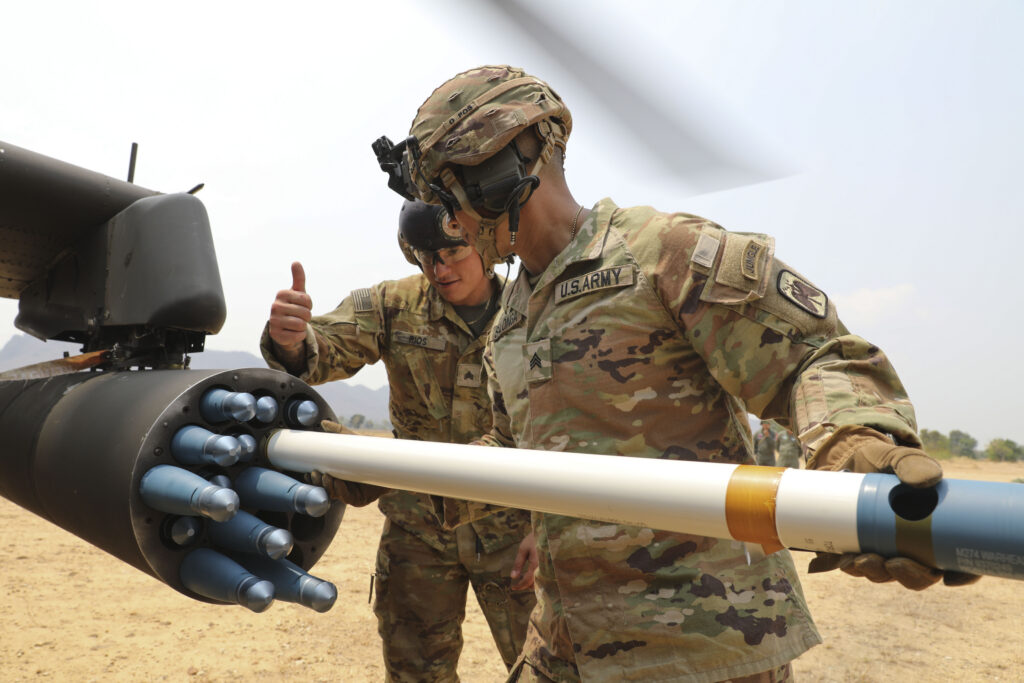
The Army awarded contracts to four companies in an effort to increase production of Hydra-70 rockets. The move is part of a broader push to expand munitions output and strengthen the defense industrial base.
Why it matters: Additional rocket-production capacity can improve stockpile resilience and reduce bottlenecks in sustained operations.
|

PROCUREMENT
The Air Force has approved production of a long-range version of the Joint Direct Attack Munition. The decision advances a longer-range precision-strike capability within an established bomb family.
Why it matters: Longer-range precision weapons can give aircrews more stand-off options against defended targets.
|
|
|
Geopolitics & Defense
|

ALLIANCE
Saudi Arabia, Turkey, and Pakistan signed a joint defense agreement, adding a new formal framework to their security relationships. The arrangement brings three important regional and extra-regional defense actors into closer cooperation.
Why it matters: The agreement could reshape defense coordination and signaling across the Middle East and South Asia.
|
ALLIANCE
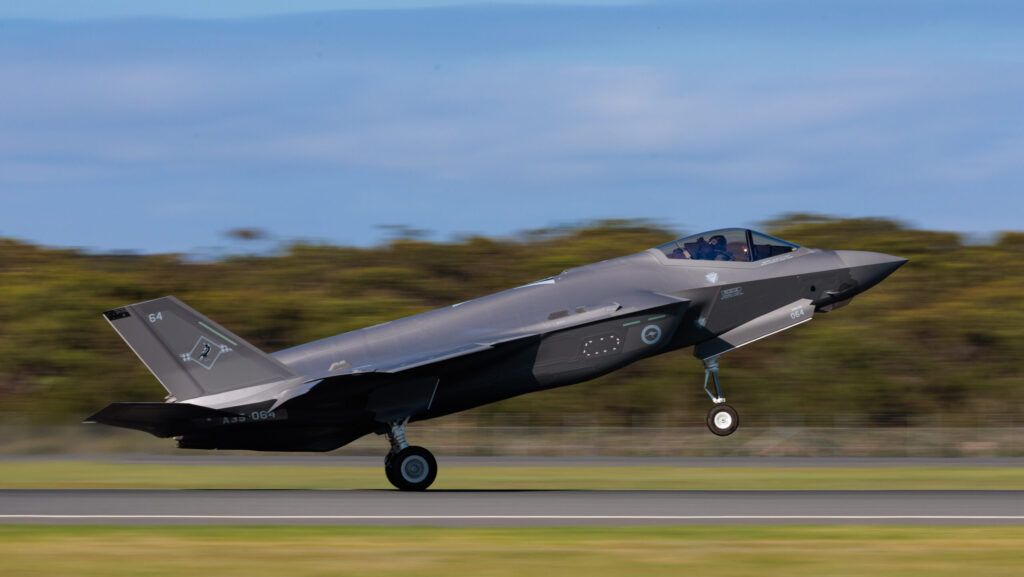
Australia has committed to buying the AIM-260 Joint Advanced Tactical Missile, according to Breaking Defense. The reported decision would make Australia the first non-U.S. user of the secretive air-to-air weapon.
Why it matters: An Australian buy would deepen allied integration in long-range air combat and add a significant capability to the Indo-Pacific balance.
|
|
|
|
|
STRATO BRIEF
|