|
STRATO BRIEF
SPACE · POLICY · DEFENSE
August 5, 2026
9 stories · ~5 min read
|

|
|
Aerospace Industry
Muon Space held a ribbon-cutting for a new satellite-manufacturing facility in San Jose, California, with state, local, Space Force and Pentagon representatives attending. The facility illustrates continued investment in U.S. production capacity even as companies face high operating costs and regulatory pressure. The development comes as commercial and government customers seek more resilient domestic supply chains for proliferated satellite programs.
Why it matters: Manufacturing capacity and regulatory friction will directly shape how quickly the United States can scale resilient satellite constellations.
|
|
|
Space Operations & Technology
|

LAUNCH
SpaceX plans to deploy upgraded Starlink satellites on the next Starship flight, which SpaceNews reports could occur as soon as the end of August. The mission would move Starship beyond developmental flights toward an operational role in the Starlink launch architecture.
Why it matters: An operational Starship-Starlink link could materially change launch cadence, satellite deployment economics and the competitive pressure on heavy-lift providers.
|
|

DATA
NOAA will continue evaluating data from Spire Global’s Hyperspectral Microwave Sounder under a $3 million contract extension announced Aug. 4. The purchase supports assessment of commercial hyperspectral microwave observations for weather and atmospheric applications.
Why it matters: Continued government purchases provide a demand signal for commercial weather data that can improve forecasting while diversifying the national observation architecture.
|
|
|
|
Policy & Politics
|

POLICY
The Trump administration’s planned deployment of National Guard troops in Washington, D.C., through the end of the presidential term is expected to cost another $1.43 billion, or about $51 million per month, according to a new Pentagon estimate reported by Roll Call. The figure adds to costs already incurred and puts a concrete budget number on the continuing domestic deployment.
Why it matters: The additional cost illustrates how sustained domestic deployments can compete with resources and attention otherwise available for defense modernization and operational priorities.
|

SPACE POLICY
NASA reported progress on building the Moon Base, a resilient outpost near the Moon’s South Pole for science, technology demonstrations and eventual sustained operations. The agency’s update covers cargo landers and demonstrations supporting the program.
Why it matters: The Moon Base program links civil-space policy, commercial lunar delivery and the infrastructure needed for sustained activity beyond low Earth orbit.
|
|
|
Aerospace Industry
|

FUNDING
Portuguese space-traffic-management startup Neuraspace announced approximately $18 million in fresh funding on Aug. 5. The company says the capital will support expansion of European space-domain-awareness and defense capabilities.
Why it matters: Private capital is helping build sovereign space-awareness capacity as governments seek more independent tracking and collision-risk services.
|

CONTRACT
Rocket Lab, STR and a third unidentified vendor won contracts totaling $615 million for the Space Force’s airborne-missile-tracking program, according to SpaceNews. The awards support development of satellite capabilities intended to detect and track airborne targets.
Why it matters: The awards show the Space Force continuing to use multiple commercial providers to build distributed missile-warning and tracking capacity.
|
|
|
Geopolitics & Defense
|
MILSATCOM
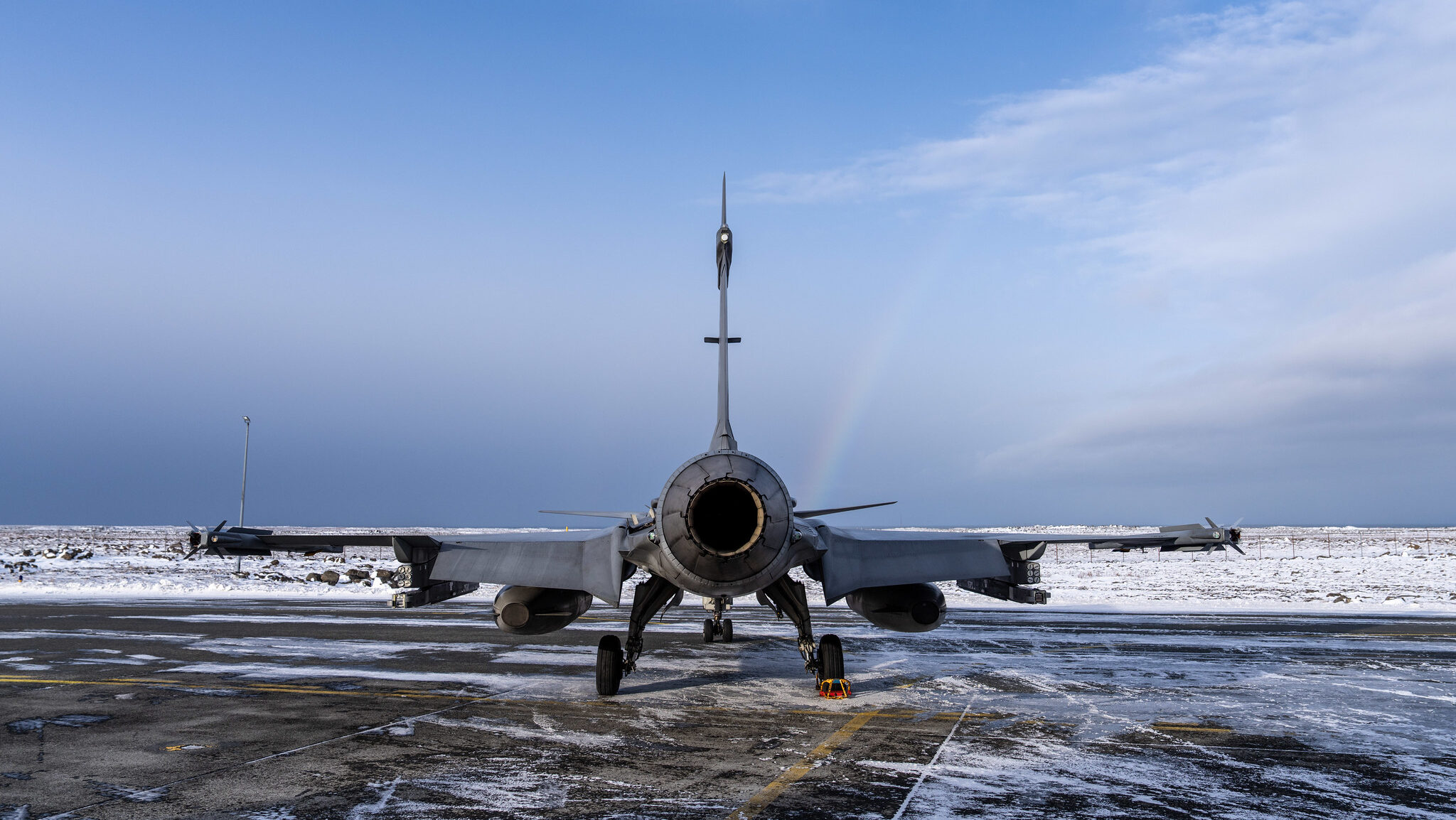
Telesat announced a C$2.3 billion, 15-year Telesat Lightspeed services contract with Canada’s Defence Investment Agency to deliver secure Military Ka-band connectivity to the Canadian Armed Forces under the Enhanced Satellite Communications Project–Polar. Two five-year options would bring the total contract value to C$2.7 billion.
Why it matters: A dedicated Arctic MILSATCOM architecture would strengthen allied communications resilience in a strategically contested region where geography and climate complicate terrestrial coverage.
|

SPACE SECURITY
Breaking Defense reports that satellite operators make decisions based on the quality and confidence of the orbital data they receive. New research discussed by Dan Oltrogge argues that space safety and security depend on improving the reliability and usability of that data.
Why it matters: Better confidence in orbital data is foundational to conjunction avoidance, space traffic coordination and military decision-making in increasingly crowded orbits.
|
|
|
|
|
STRATO BRIEF
|