|
STRATO BRIEF
SPACE · POLICY · DEFENSE
July 9, 2026
9 stories · ~5 min read
|

|
|
Space Operations
Pulse Space said it won a $40 million U.S. Space Force contract to mature laser technology that can transmit power and data between spacecraft. The Bellevue, Washington startup said the award will support development of its laser-based system, though it did not specify the military demonstrations planned under the agreement. The contract signals continued Pentagon interest in on-orbit power and communications architectures that could support future space operations. It also gives a young company founded in 2022 a major validation point in the defense market.
|
|
|
Space Operations & Technology
|
|
TECH
Pulse Space said a $40 million Space Force award will help it develop laser systems that beam power and data between satellites. The company did not detail the exact military demonstrations tied to the contract, but the work points to growing interest in more resilient in-space infrastructure. For a startup founded in 2022, the award is also a significant foothold in the national security space market.
|
|

LUNAR
Japanese lunar company ispace said it is buying space on a future Starship lunar lander mission to deliver larger customer payloads to the moon. Its planned Mobile Cargo System would transport payloads from the lander to sites a few kilometers away, with ispace handling integration before launch and operations after landing. The announcement shows how Starship capacity is beginning to shape commercial lunar logistics plans.
|
|
LAUNCH
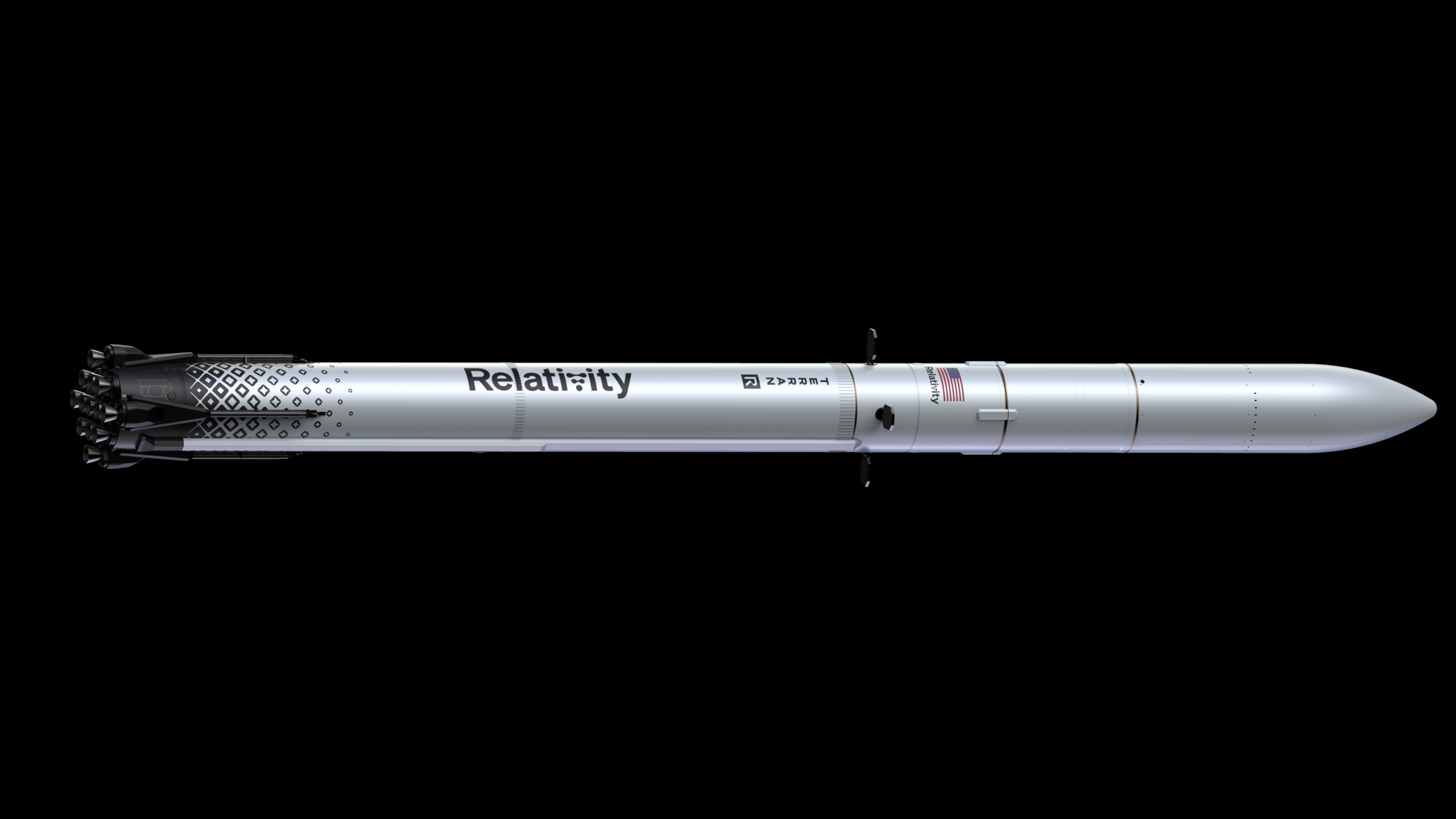
Space Systems Command added Impulse Space and Relativity Federal to the National Security Space Launch Phase 3 Lane 1 pool for less demanding missions. Their inclusion raises the number of qualified providers to seven, alongside established and newer launch firms already admitted to the pool. The move broadens competitive options for lower-risk national security launches and gives two startups a path into defense launch work.
|
|
|
Policy & Politics
|

POLICY
Congress is again struggling to move its spending bills on time, but lawmakers are also discussing whether 2026 could finally bring a NASA authorization bill. House appropriators rejected many of the White House’s proposed NASA cuts, while Senate action has been delayed by disputes over other provisions and the postponement of key markups. The result is a familiar mix of budget uncertainty and open questions about whether Congress can pair funding decisions with broader policy direction for the agency.
|

COURTS
President Trump said he will ask the Supreme Court to rehear the case over his executive order restricting birthright citizenship after the justices struck down the policy last week. The Hill reported that Trump framed the decision as a major threat and said he would seek immediate reconsideration. The move keeps immigration and executive-power fights at the center of Washington’s legal and political agenda.
|
|
|
Aerospace Industry
|

FUNDING
Blue Origin is reportedly working to raise $10 billion in what would be the company’s first outside investment round, potentially valuing it at about $130 billion. The financing is intended to support ambitions in launch services and satellite constellations, according to SpaceNews, and CEO Dave Limp appeared to acknowledge the effort in a memo to employees. If completed, the raise would mark a major shift for a company long backed by Jeff Bezos.
|

ACQUISITION
MDA Space said it will acquire a 70 percent stake in French Earth data analytics company CLS for 567 million euros in cash, with CNES keeping the remaining 30 percent. CLS analyzes Earth observation and maritime data and reported 203 million euros in revenue in 2025. The deal is MDA’s second major acquisition in recent weeks and underscores the broader consolidation wave moving through the space sector.
|
|
|
Geopolitics & Defense
|

DEFENSE
Eight NATO countries plan to link national military satellites into a new network called the Hybrid Alliance Layered Operations in Space, or HALO. NATO said the arrangement is meant to improve high-speed communications, intelligence sharing and missile tracking while reducing the limits of single-country satellite fleets. The project signals a push to strengthen allied space capabilities as European and North American members look for more integrated defense infrastructure.
|
|
|
|
|
STRATO BRIEF
|